Start with the construction that performs the work
The equipment range includes fabricated product-contact vessels and pipework, screened pulping assemblies, conveyors, rotating separation machinery, heat-processing skids and bulk filling systems. Their maintenance and inspection needs differ. A removable screen, a belt return and a closed thermal passage cannot be assessed through the same access point.
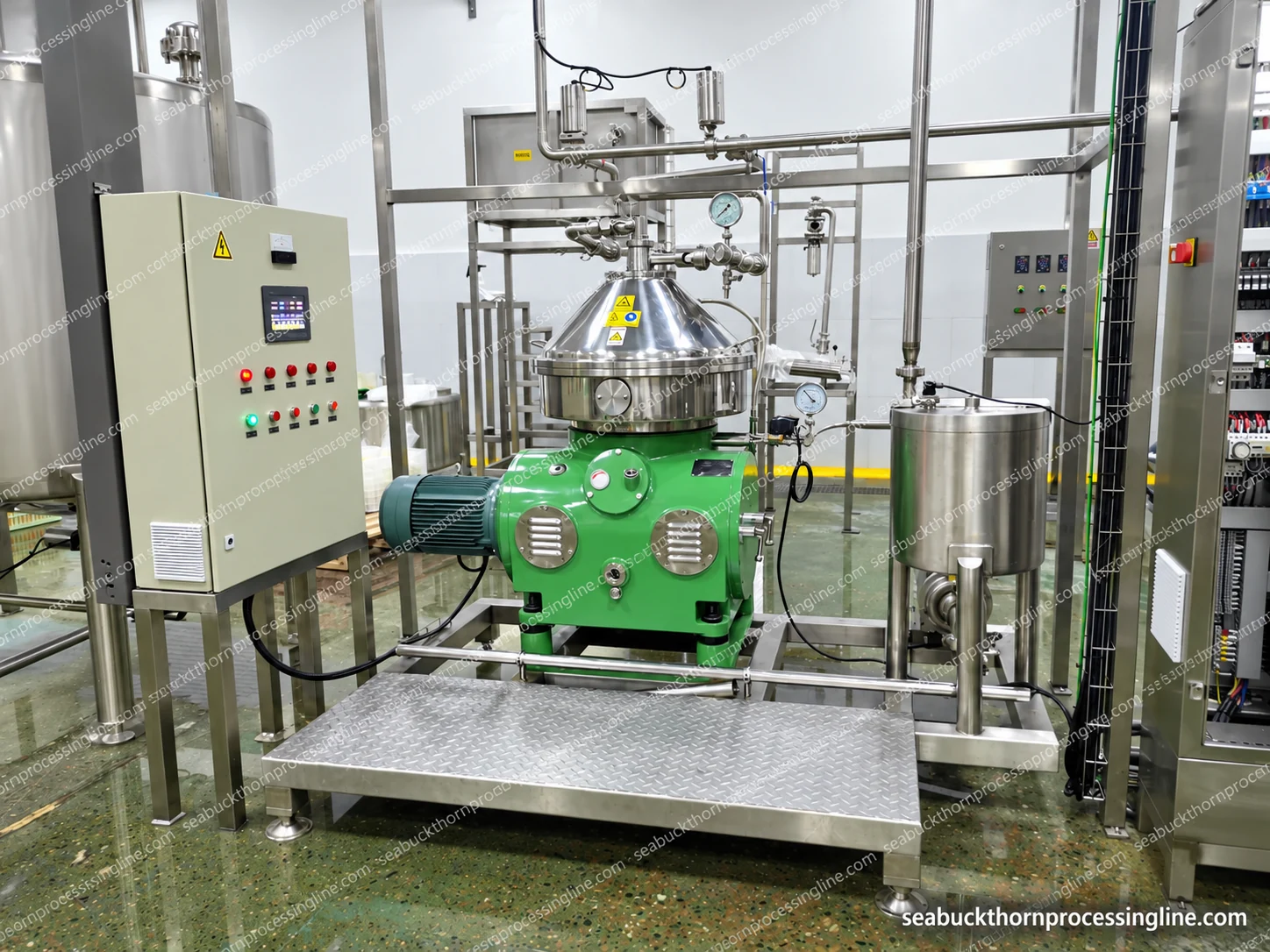
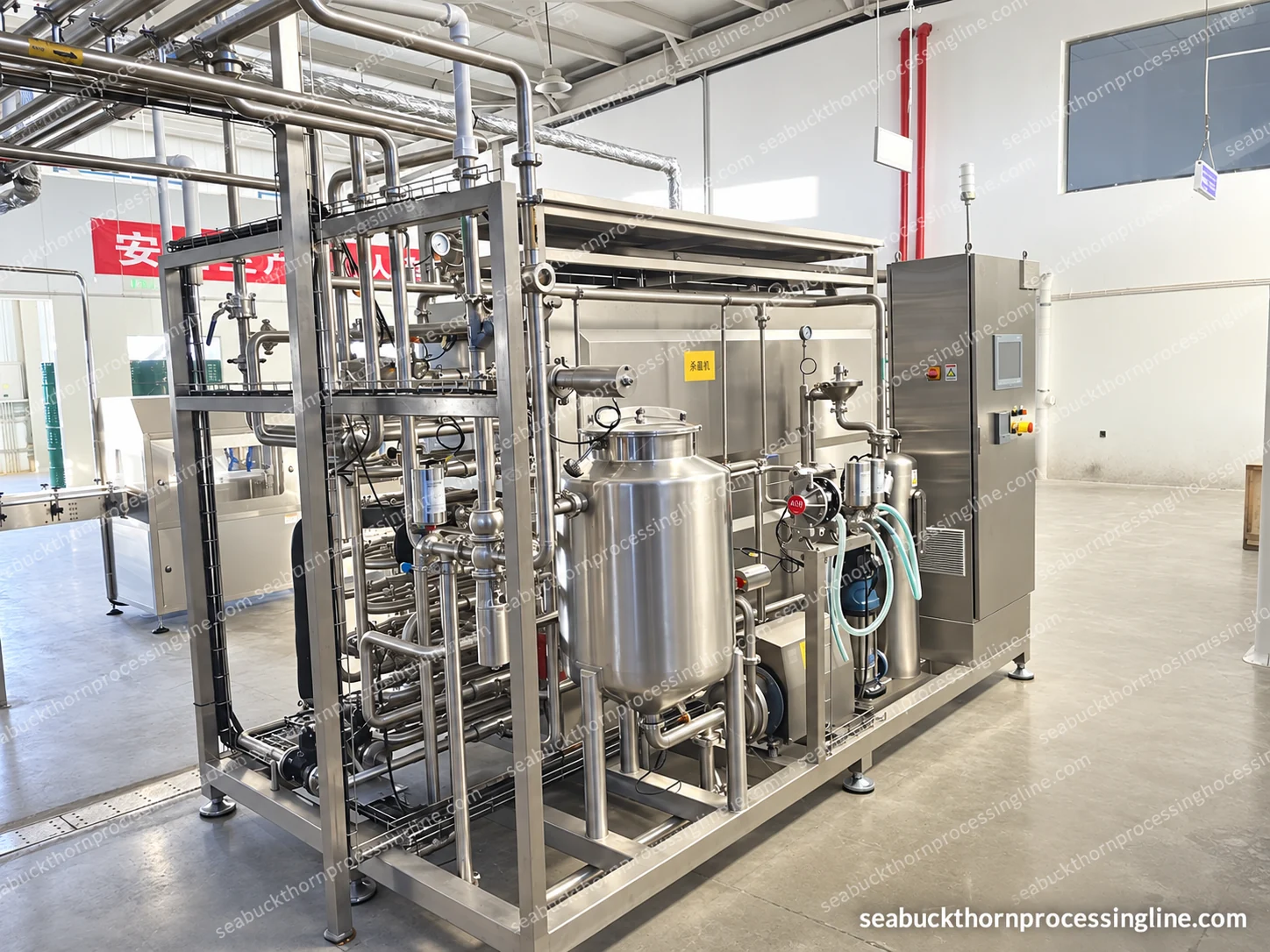
The illustrated assemblies show these differences in practice: the pulper has two processing stages and drives; the separator installation combines a rotating machine with pipework and controls; the CIP skid has tanks, pumps and a circulation manifold. Component identification should distinguish the main assembly from its integrated motors, pumps, valves, instruments and electrical equipment.
Check the selected configuration before shipment
Construction checks follow the selected equipment and its technical documents: product connections, access, guarding, installed component identification and control functions. For tanks and piping, the inspection plan addresses the agreed materials, fabrication, drainage and cleaning interfaces. Rotating equipment also requires its specified mechanical and protective checks.
Functional inspection and product testing answer different questions. A water circulation run can demonstrate a flow route or control action, while a representative fruit or juice trial evaluates extraction, viscosity, foam and separation. The inspection record should identify the test medium and conditions alongside the observed result.
Installation connects machinery to the factory
Installation and commissioning work can include equipment positioning, product and utility connections, control integration, functional checks and coordinated trial operation. The scope identifies which work belongs to the equipment package and which belongs to the site, including foundations, drainage, utility availability and access.
The installation sequence checks that a machine can be serviced after it is connected. Screens, belts, rotating assemblies and major valves need their intended removal space. Product and cleaning lines are identified so that startup, isolation and cleaning can follow a consistent procedure.
Handover supports daily operation and planned maintenance
Operating handover covers the supplied equipment, its normal sequence, cleaning, shutdown and safe responses to abnormal conditions. Relevant drawings, component schedules, operating information and the agreed test records support that work. Training follows the delivered configuration rather than a general description of fruit processing.
Maintenance planning identifies routine inspection points and configuration-specific wear parts, including screens, seals and belt components where applicable. A useful service request describes the machine, observed symptom, product condition and relevant operating readings. Photographs or records from the actual installation help distinguish a process adjustment from a mechanical or control issue.